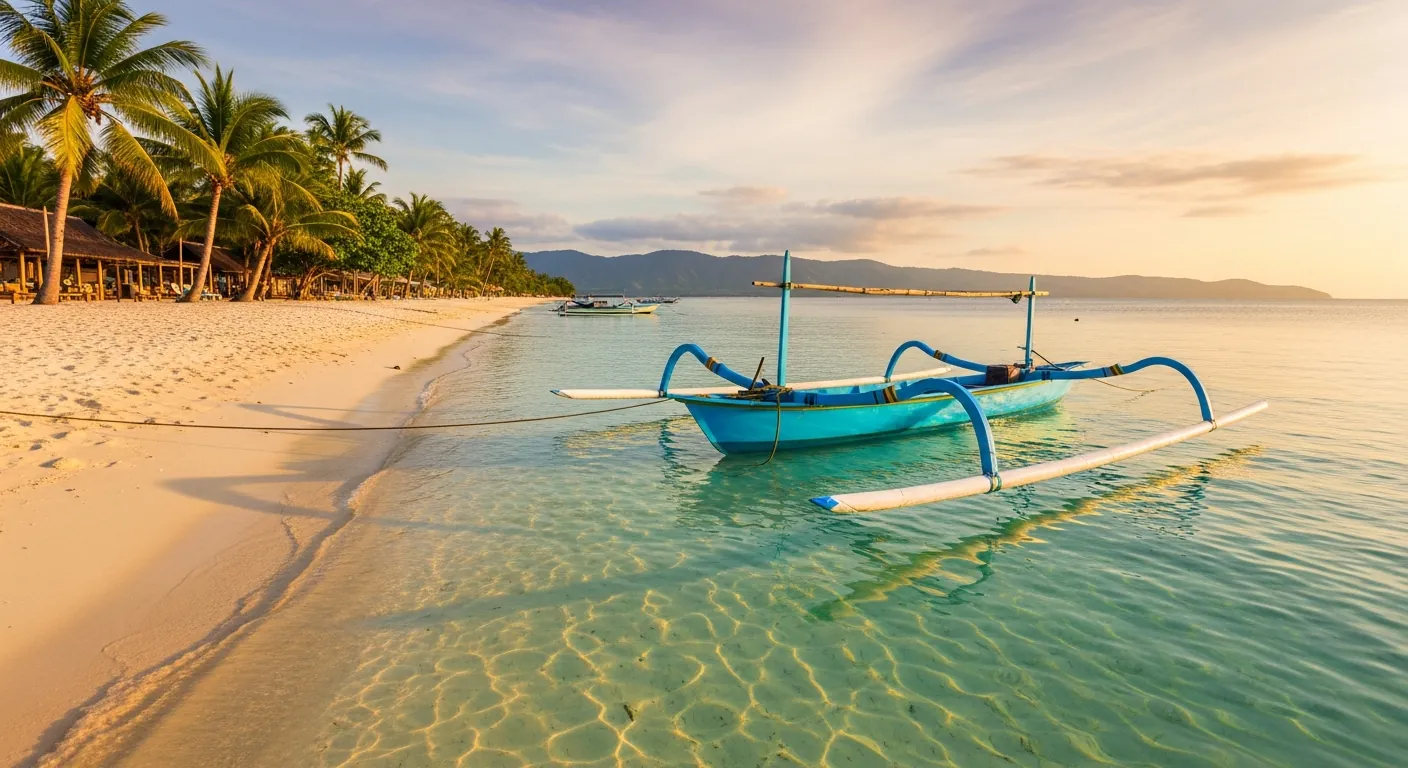
The scent of clove and distant frangipani hangs in the air, a subtle promise carried on the monsoon winds. Below, the turquoise shallows of the Indian Ocean meet the ochre sands of a volcanic island. This is Lombok, an Indonesian destination increasingly sought by those departing the Arabian Gulf’s urban sprawl.
Connecting Dubai to Lombok: Flight Routes and Travel Times
Travelling from Dubai to Lombok requires careful planning, as direct flights between the two destinations do not currently exist. Most routes necessitate one or more stops, typically in major Asian hubs. The journey covers an approximate distance of 7,625 kilometers. Travellers departing from Dubai International Airport (DXB), the primary international gateway for Dubai, United Arab Emirates, can expect a typical travel time of about 14 hours and 25 minutes by air, including transfers. Common layover cities include Singapore (SIN), Kuala Lumpur (KUL), Jakarta (CGK), and Denpasar (DPS) in Bali. Airlines such as Emirates, Qatar Airways, Singapore Airlines, and Garuda Indonesia frequently operate these multi-leg itineraries. Booking well in advance often yields more favorable airfares; recent estimates show round-trip airfares from Dubai to Lombok International starting at approximately $643. Seasonal variations in demand, particularly during peak holiday periods in the UAE and Indonesia, can influence ticket prices. Understanding these connection points is crucial for optimizing travel time and managing potential layovers. For instance, a route via Singapore might involve a transfer time of 2-3 hours at Changi Airport before connecting to a flight to Lombok International Airport (LOP).
Optimizing Your Transit: Jakarta or Bali?
When planning a multi-stop itinerary from Dubai to Lombok, the choice between transiting through Jakarta (Soekarno-Hatta International Airport, CGK) or Bali (Ngurah Rai International Airport, DPS) significantly impacts the final leg of the journey. Both offer frequent domestic connections to Lombok International Airport (LOP), which serves the island of Lombok in West Nusa Tenggara, Indonesia. Flights from Jakarta to Lombok typically take around 1 hour and 45 minutes, with multiple daily departures from carriers like Garuda Indonesia, Lion Air, and Citilink. From Bali, the flight duration to Lombok is even shorter, often around 30-40 minutes, making it a popular choice for those combining a Bali visit with their Lombok itinerary. Consider the overall transit time at these major airports; Jakarta’s Soekarno-Hatta is a larger, busier hub, potentially requiring more time for transfers between terminals or flights compared to Bali’s Denpasar. Some travellers prefer to break their journey with an overnight stay in either Jakarta or Bali, allowing for a more relaxed transition and the opportunity to experience another Indonesian city.
Halal-Friendly Travel in Lombok for GCC Visitors
Lombok is recognized as a premier halal-friendly destination, a significant factor for many travellers from Dubai and the GCC. The island’s predominantly Muslim population ensures that halal food is widely available and easily accessible across various dining establishments, from street vendors to upscale restaurants. Mosques are numerous and well-maintained, providing convenient prayer facilities for visitors. Many hotels and resorts on Lombok cater specifically to the halal tourism market, offering amenities such as prayer mats in rooms, Qibla directions, and certified halal kitchens. Some accommodations also feature women-only swimming pools or private villa options to enhance privacy. The local culture, deeply rooted in Islamic traditions, fosters an environment of respect and understanding for Muslim visitors. During the holy month of Ramadan, the island maintains its services while accommodating fasting schedules, with many establishments adjusting hours to facilitate suhoor and iftar. This inherent cultural alignment makes Lombok a comfortable and welcoming destination for those seeking travel experiences that adhere to Islamic principles, distinguishing it from some other Indonesian islands.
Exploring Lombok’s Diverse Landscapes: Gili Islands, Mandalika, and Rinjani
Lombok presents a diverse landscape encompassing pristine island retreats, emerging coastal developments, and a majestic volcanic peak. The Gili Islands – Gili Trawangan, Gili Meno, and Gili Air – are perhaps Lombok’s most famous draw, situated just off its northwest coast. These small islands are characterized by white sandy beaches, clear turquoise waters, and a distinct lack of motorized vehicles, relying instead on bicycles and horse-drawn carts. Gili Trawangan, the largest, offers a more vibrant atmosphere with numerous dive shops and eateries, while Gili Meno and Gili Air provide quieter, more serene escapes. Access to the Gili Islands is primarily via fast boat services from Bangsal harbor on mainland Lombok, with journeys lasting between 15 and 30 minutes depending on the specific island.
Further south, the Mandalika region is rapidly developing as a major tourism hub. This area hosted the MotoGP World Championship at the Pertamina Mandalika International Street Circuit, completed in 2021. Mandalika features expansive beaches like Tanjung Aan and Selong Belanak, known for their crescent shapes and surf-friendly waves. The development includes new resorts, restaurants, and infrastructure, transforming it into a contemporary resort destination while aiming to preserve its natural beauty. The region is approximately 30-40 minutes drive from Lombok International Airport (LOP).
Dominating the island’s northern skyline is Mount Rinjani, Indonesia’s second-highest volcano, standing at 3,726 meters above sea level. Rinjani National Park offers challenging multi-day treks to its crater rim, which contains a stunning caldera lake, Segara Anak. These expeditions typically require a guide and porter, with permits issued by the national park authorities. Treks can range from 2 days/1 night to 4 days/3 nights, offering varying levels of difficulty and scenic rewards. The ascent provides panoramic views of Lombok, Bali, and Sumbawa on clear days, showcasing the island’s dramatic geological features. The mountain is considered sacred by local Sasak people and Balinese Hindus, adding a cultural dimension to the physical challenge.
Planning Your Lombok Trip from the UAE: Practical Considerations
Planning a trip to Lombok from the UAE involves several practical considerations to ensure a smooth and enjoyable experience. Visa requirements for Indonesian entry should be checked well in advance; many nationalities, including UAE citizens, are eligible for visa-on-arrival or visa-free entry for short stays. It is always prudent to verify the latest regulations with the Indonesian embassy. Currency in Indonesia is the Rupiah (IDR), and while major credit cards are accepted in larger hotels and tourist areas, cash is essential for smaller vendors and more remote locations. ATMs are widely available in Lombok’s main towns like Mataram, Senggigi, and Kuta Mandalika.
The best time to visit Lombok is during the dry season, from May to September, when rainfall is minimal and temperatures average around 28-32 degrees Celsius, providing ideal conditions for outdoor activities and island hopping. The wet season, from October to April, brings higher humidity and more frequent, though often short, downpours. Packing light, breathable clothing, sun protection, and insect repellent is advisable. Transportation on Lombok includes taxis, ride-sharing apps (Grab, Gojek), scooter rentals, and private car hires with drivers. Negotiating prices for local transport is common practice outside of metered taxis. For those considering multi-stop GCC to Indonesia itineraries, integrating Lombok offers a distinct cultural and natural contrast to other destinations like Bali or Java, providing a comprehensive Indonesian experience.
Discover more detailed guidance and insights for your journey to Lombok by revisiting the Dubai Lombok homepage.
Lombok International Airport (Wikipedia)
Lombok (Wikipedia)
Dubai International Airport (Wikipedia)
Lombok International Airport (Wikidata)